
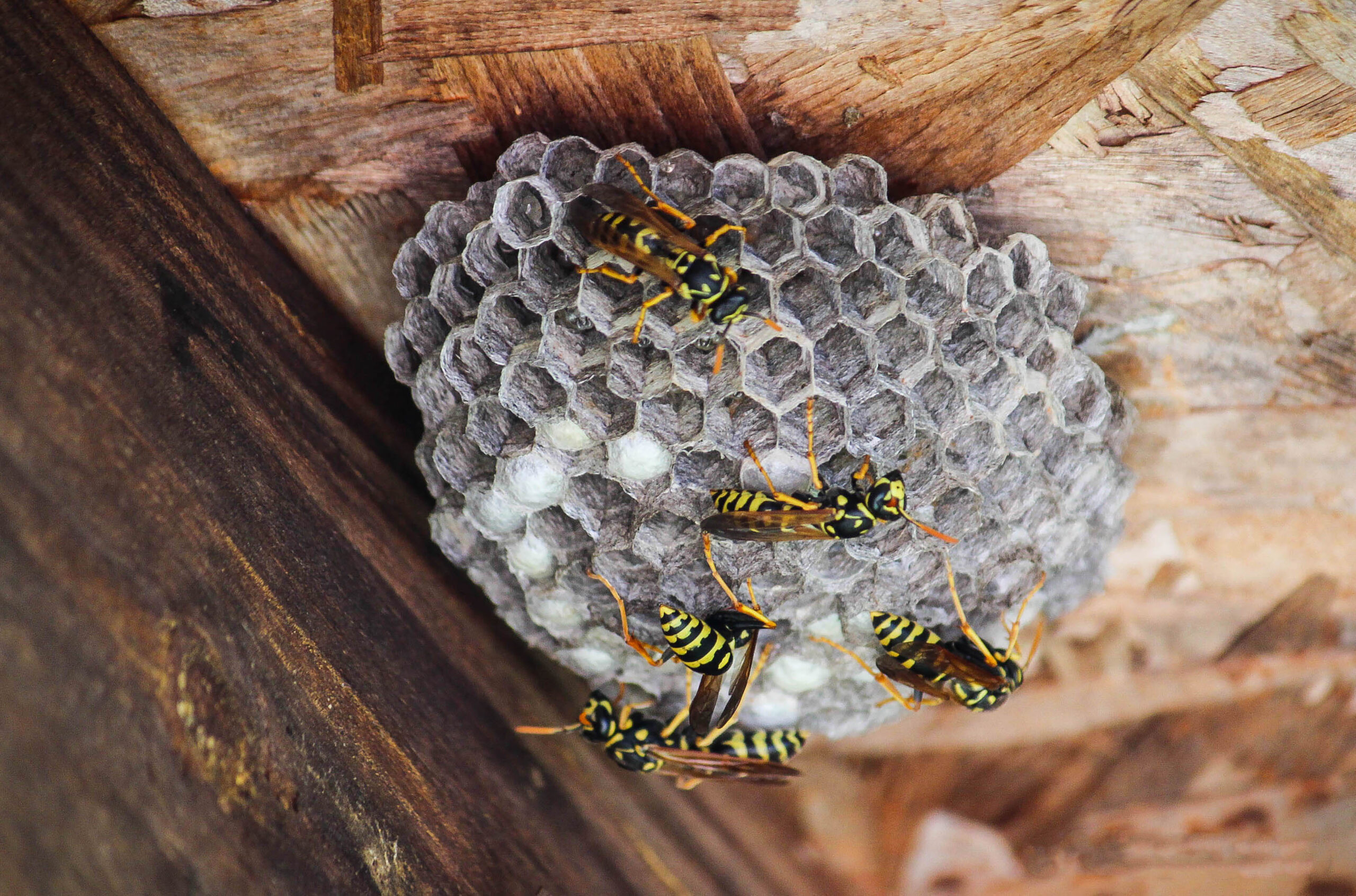
Discovering a wasp nest on your property can be alarming, especially when wasps begin to act aggressively. Whether the nest is attached to your home, hidden in landscaping, or tucked into a hard-to-reach area, wasp nest removal should be handled with care and urgency.
This guide walks through professional and DIY removal options, costs, safety considerations, and warning signs that indicate when immediate action is necessary.
Timelines for Professional Wasp Nest Removal
Speed matters when wasps pose a safety risk.
Average Time Frame for Professional Removal Services
Most professional removals are completed within one visit, often in under an hour.
Factors That Can Affect the Removal Timeline
Delays may occur due to:
- Nest size
- Weather conditions
- Structural complexity
DIY Wasp Nest Removal Feasibility
Some homeowners consider DIY removal, but it’s not always advisable.
Considerations Before Attempting DIY Removal
DIY removal may be possible for:
- Small, early-stage nests
- Nests located far from living spaces
Large or active nests should not be handled without professional help.
Personal Safety Precautions for DIY Removal
Anyone attempting DIY removal should prioritize safety above cost savings.
Tools Needed for DIY Wasp Nest Removal
Proper equipment is essential for minimizing risk.
Essential Tools for Safe and Effective DIY Removal
Common tools include:
- Wasp-specific insecticide
- Protective clothing and gloves
- Long-handled tools
Where to Obtain Necessary Tools for DIY Removal
Most tools are available at hardware or home improvement stores, but misuse can increase danger.
Safety of DIY Wasp Nest Removal
DIY removal carries real risks.
Risks Associated With DIY Removal and How to Mitigate Them
Potential dangers include:
- Multiple stings
- Allergic reactions
- Falls from ladders
Mitigation requires preparation, protective gear, and proper timing.
Importance of Protective Gear and Safe Practices During DIY Removal
Protective suits, gloves, and face coverings significantly reduce sting exposure but do not eliminate risk.
Steps for DIY Wasp Nest Removal
DIY removal must be done carefully and deliberately.
Step-by-Step Guide for DIY Removal Process
General steps include:
- Removing nests at night when wasps are less active
- Applying appropriate insecticide
- Avoiding direct contact with the nest
Tips for Successful DIY Wasp Nest Removal
Never attempt removal during peak activity hours or without an exit plan.
Cost Comparison: DIY vs. Professional Removal
Cost alone should not be the deciding factor.
Calculating the Expenses Involved in Both DIY and Professional Removal
DIY costs may include:
- Tools and protective gear
- Medical treatment if stung
Professional services include expertise, equipment, and peace of mind.
Understanding the Value of Professional Services Over DIY Approaches
Professionals reduce risk, ensure complete removal, and prevent recurrence.
Risks of DIY and Professional Wasp Nest Removal
Both approaches have risks, but they differ in severity.
Potential Dangers and Challenges of Both Removal Methods
DIY risks are typically higher due to lack of training. Professional risks are mitigated by experience and equipment.
Common Mistakes to Avoid During Wasp Nest Removal
Common mistakes include:
- Removing nests during daylight
- Blocking escape routes
- Underestimating nest size
Urgency of Wasp Nest Removal
Delaying removal increases danger.
Health and Safety Implications of Delaying Wasp Nest Removal
Untreated nests can lead to:
- Increased wasp populations
- Higher sting risk
- Escalating aggression
Signs Indicating the Immediate Need for Wasp Nest Removal
Immediate action is needed if wasps are entering living spaces or showing aggressive behavior.
Dangers of Untreated Wasp Nests
Ignoring a nest rarely leads to improvement.
Consequences of Allowing a Wasp Nest to Remain Untreated
Potential consequences include:
- Structural damage
- Threats to children and pets
- Repeated infestations
Impact on Property and Inhabitants if Left Unchecked
Wasps may expand nests inside walls, roofs, or sheds.
Signs Requiring Immediate Wasp Nest Removal
Some warning signs should never be ignored.
Identifying Red Flags That Indicate Swift Action Is Necessary
Red flags include:
- High wasp traffic
- Visible nest growth
- Frequent stings
Seeking Professional Help Promptly When Specific Signs Are Observed
Professional intervention reduces risk and prevents escalation.
Bottom Line
Wasp nest removal is not just a convenience, it’s a safety necessity. While small nests may seem manageable, the risks of DIY removal often outweigh the benefits. Professional services provide faster, safer, and more effective solutions, especially for active or hard-to-reach nests.
If you’re unsure about the size, location, or danger level of a wasp nest, professional assessment is always the safest first step.
Need help with wasp nest removal? Contact Preventive Pest Utah to protect your home, family, and pets before the problem gets worse.