
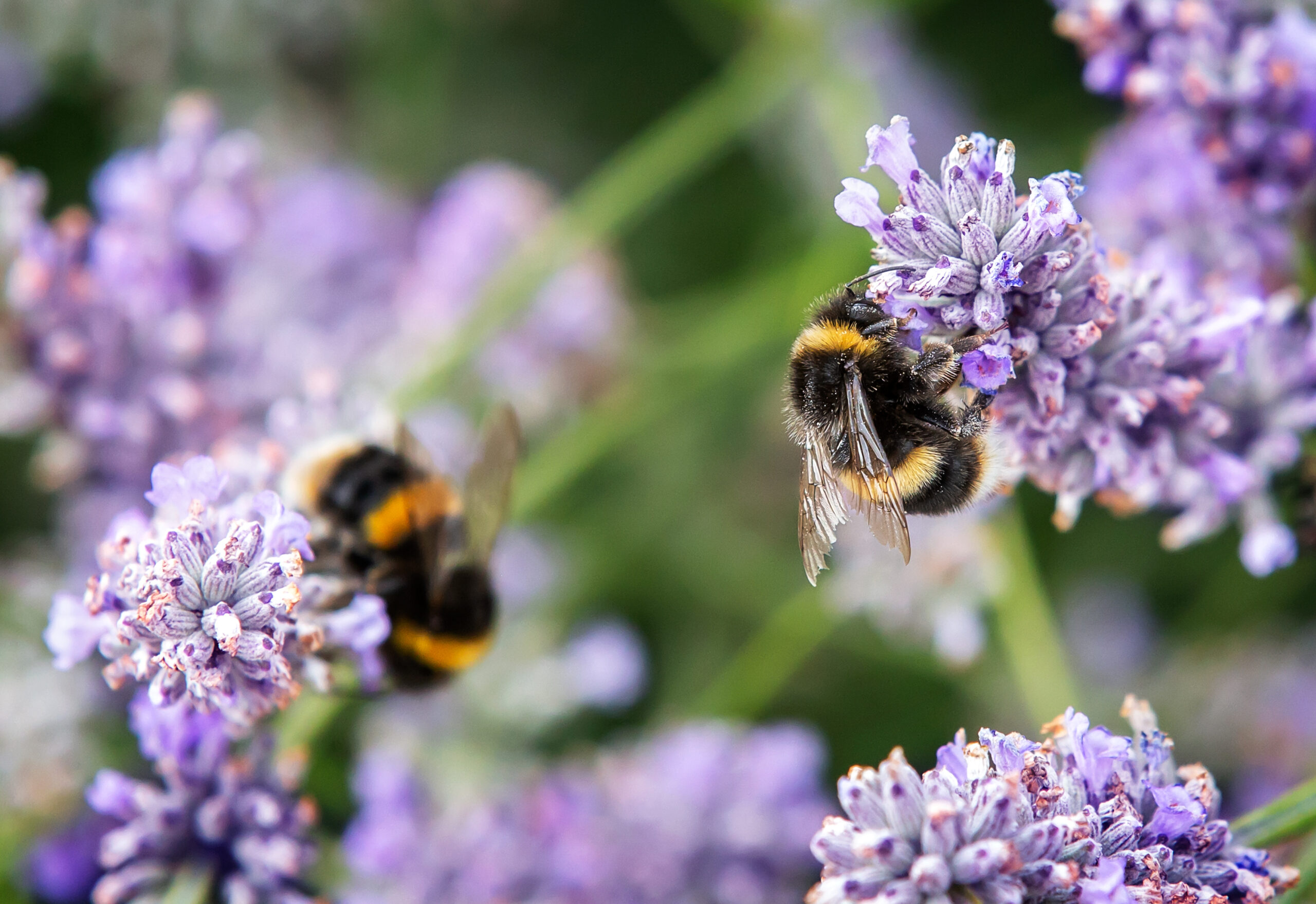
Bumble bees are some of the most recognizable and beneficial insects in North America. Known for their fuzzy bodies and gentle nature, they play a vital role in pollination, but many people are surprised to learn just how short most bumble bees’ lives actually are.
Understanding how long bumble bees live, what affects their lifespan, and how their life cycle works can help gardeners, homeowners, and nature enthusiasts better appreciate these important pollinators and support their survival.
Understanding the Lifespan of Bumble Bees
The lifespan of a bumble bee depends heavily on its role within the colony. Unlike honey bees, bumble bees have an annual colony cycle, which means most individuals live for only part of the year.
Differentiating Lifespans: Queen Bees vs. Worker Bees
Not all bumble bees live the same length of time.
- Queen bumble bees typically live the longest. A queen can survive for up to one year, emerging in early spring, establishing a nest, producing workers, and eventually creating new queens before the colony dies off.
- Worker bumble bees, which are all female, usually live 2–6 weeks. Their lives are spent foraging, caring for larvae, and maintaining the nest.
- Male bumble bees (drones) generally live 2–4 weeks, with their primary role being reproduction toward the end of the season.
Once mating occurs, males die, and only newly mated queens survive the winter.
Factors Influencing the Lifespan of Bumble Bees
Several environmental and biological factors affect how long bumble bees live:
- Availability of nectar and pollen
- Weather conditions and seasonal length
- Exposure to pesticides
- Presence of predators or parasites
- Habitat quality and nesting availability
Even small changes in these conditions can significantly shorten or extend a bee’s life.
Bumble Bees and Pollination: Lifespan Insights
Despite their short lives, bumble bees are extremely efficient pollinators, especially in cooler climates and early spring conditions.
How Long Do Bumble Bees Live During the Pollination Season?
Most worker bumble bees live just long enough to support a single pollination season. In many regions, this means late spring through early fall. Their short lifespan is balanced by intense daily activity, bumble bees can visit hundreds of flowers per day.
The Role of Bumble Bees in the Ecosystem
Bumble bees are essential pollinators for:
- Native wildflowers
- Tomatoes, peppers, and berries
- Early-blooming plants other pollinators avoid
Their ability to perform buzz pollination makes them uniquely effective compared to other bee species.
Supporting Bumble Bee Populations in Your Garden
Gardeners can help extend bumble bee lifespans by:
- Planting diverse, native flowering plants
- Providing blooms from early spring to late fall
- Avoiding chemical pesticides and herbicides
- Leaving undisturbed ground or grass for nesting
Small habitat improvements can have a big impact.
Bumble Bee Lifecycle: Birth to Death Progression
Bumble bees go through a complete metamorphosis, and each stage of life serves a specific purpose within the colony.
What Is the Average Lifespan of a Bumble Bee Queen Versus a Worker Bee?
- Queens: ~10–12 months
- Workers: ~14–42 days
- Males: ~14–28 days
The queen’s extended lifespan allows her to bridge seasons, while workers are built for short-term efficiency.
How Does the Lifecycle of a Bumble Bee Progress from Birth to Death?
The lifecycle includes four stages:
- Egg – Laid by the queen in spring
- Larva – Fed pollen and nectar
- Pupa – Develops into an adult
- Adult – Takes on a role based on caste
By late fall, the colony dies, leaving only new queens to overwinter underground.
Threats Impacting Bumble Bee Lifespan
Bumble bees face numerous threats that can significantly shorten their lives or wipe out entire colonies.
Are There Any Threats That Significantly Impact the Lifespan of Bumble Bees?
Major threats include:
- Habitat loss and urban development
- Climate change disrupting bloom timing
- Pesticide exposure
- Diseases and parasites
- Reduced plant diversity
Urban areas can be especially challenging when green space is limited or treated with chemicals.
Comparing Bumble Bees’ Lifespan to Other Bee Species
Compared to other bees:
- Honey bee workers live ~6 weeks (queens can live several years)
- Solitary bees may live only a few weeks total
- Bumble bee queens fall in between, with seasonal longevity
While bumble bees don’t live as long as honey bee queens, they are often more effective pollinators per individual.
Fascinating Facts About Bumble Bee Lifecycles
Bumble bees have evolved unique survival strategies that help them thrive despite short lifespans.
Do Bumble Bees Have a Specific Lifespan Pattern Throughout the Year?
Yes. Bumble bee activity follows a seasonal rhythm:
- Spring: Queens emerge and build nests
- Summer: Worker populations peak
- Fall: New queens and males are produced
- Winter: Only fertilized queens survive
This annual cycle is one reason bumble bees are less aggressive and rarely sting unless threatened.
Bumble Bees’ Lifespan Patterns Throughout the Year
Because colonies reset every year, bumble bees don’t store food long-term like honey bees. Their survival depends on steady floral resources throughout the growing season, making them sensitive indicators of ecosystem health.
Bottom Line
Bumble bees may not live long, but their impact is enormous. With lifespans ranging from a few weeks to about a year, they dedicate their entire lives to pollination, reproduction, and maintaining ecological balance.
Understanding how long bumble bees live, and what affects their survival, helps us make better choices for our gardens, communities, and environment.
Contact Preventive Pest Utah
If you’re dealing with bee-related concerns and want solutions that protect beneficial pollinators while keeping your home safe, the experts at Preventive Pest Utah can help. Reach out today to learn more about responsible pest management and bee-friendly practices.