
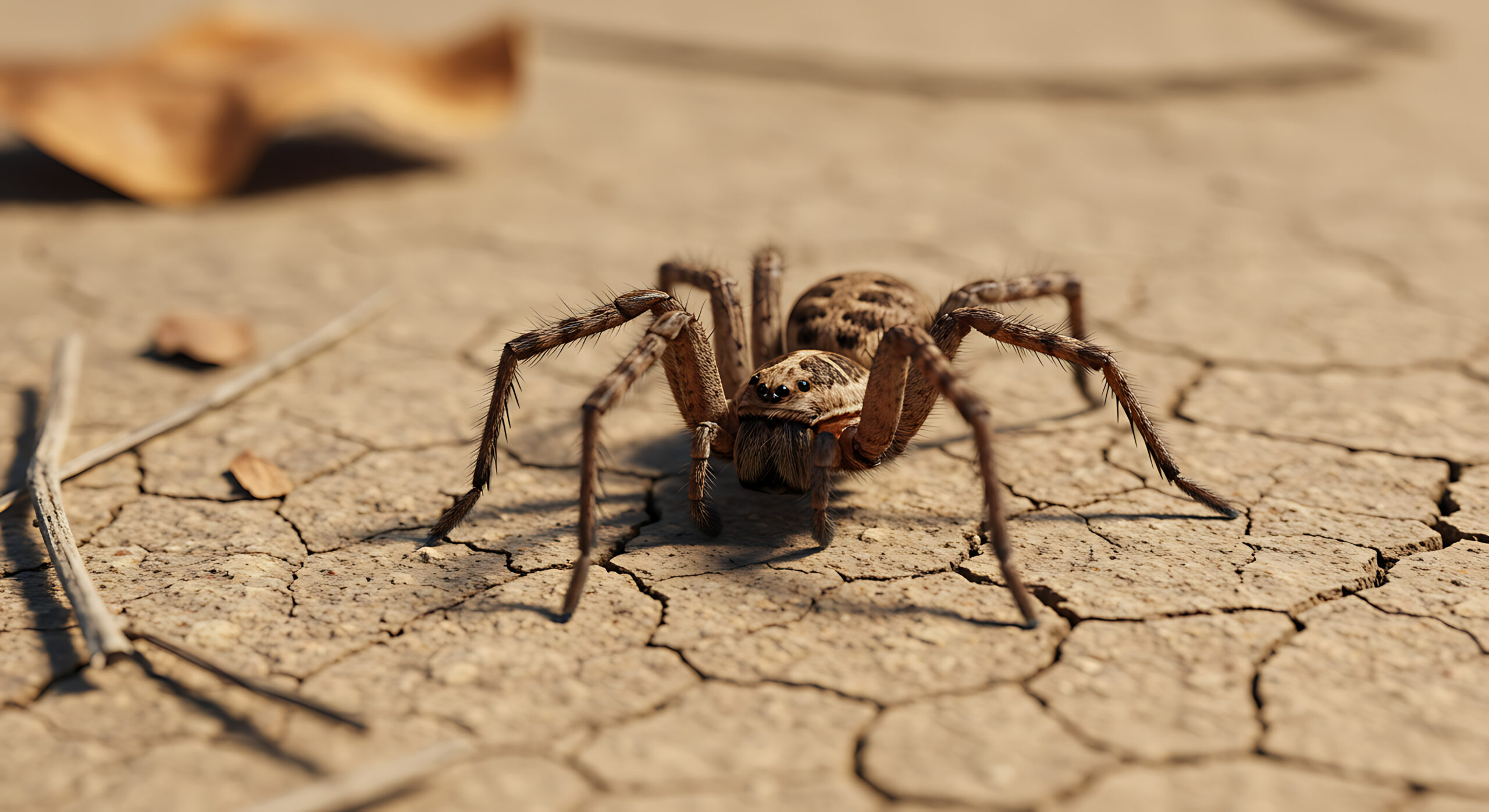
Brown recluses are among the most misunderstood spiders in the United States. And while they’re rare in Utah, homeowners still worry when they see a brown spider and wonder, “Is this a brown recluse or just a house spider?”
Understanding the difference, and knowing how professionals treat true recluse infestations, can bring clarity and peace of mind.
This guide explains:
- How pest pros identify brown recluses
- How their treatment differs from approaches for common house spiders
- What homeowners can do to prevent both
- When it’s time to call a professional
Identifying Brown Recluse and House Spiders
How to Differentiate Between a Brown Recluse and a House Spider
The first step for pest control companies is proper identification, because true brown recluses require a very different control plan.
Brown Recluse:
- Six eyes arranged in pairs
- Light brown color
- Signature violin-shaped marking on the cephalothorax
- Thin, smooth legs without hair
House Spiders (e.g., funnel weavers, cobweb spiders):
- Eight eyes
- Various patterns, spots, stripes, or banding
- Typically rounder, larger abdomen
- More visible leg hairs
Physical Characteristics to Look For
Pest pros often use flashlights and sticky traps to collect spiders. They note:
- Number of eyes
- Presence or absence of markings
- Body uniformity
- Size and shape of abdomen
- Location found (house spiders build webs; recluses do not)
Distinguishing Characteristics: Brown Recluse vs House Spider
Unique Features of Brown Recluse Spiders
Brown recluses are “wandering hunters.” They don’t sit in webs waiting for prey; instead, they roam at night. This creates unique challenges for pest experts, requiring broad-area treatments rather than targeting webs.
Notable Traits of House Spiders
Most house spiders:
- Build webs in corners
- Stay relatively stationary
- Prefer areas with consistent insect traffic
These traits make house spiders far easier to control than brown recluses.
Visual Markers for Identifying Brown Recluse Spiders
Key Visual Indicators
Professionals confirm recluses by checking:
- Uniform color (no patterns)
- Distinct violin marking
- Thin legs
- Smaller size (around the size of a quarter, including legs)
Visual Comparison
Brown recluse = plain, uniform, smooth appearance
House spiders are mottled, patterned, bulkier, hairier
Understanding the Danger Levels: Brown Recluse vs House Spider
Dangers Posed by Each
Brown Recluse Dangers:
- Necrotic venom may damage tissue
- Bites occur when spiders are trapped against skin
- Symptoms can take hours to develop
House Spider Risks:
- Mild bites only when threatened
- No medically significant venom
- Rarely bite humans
Severity of Bites
A recluse bite can cause:
- Redness
- Blistering
- Tissue breakdown in severe cases
House spider bites are usually comparable to mosquito bites.
Comparative Risks: Brown Recluse vs House Spider Bites
Detailed Examination of Brown Recluse Bite Risks
Most recluse bites are not severe, but when they are, symptoms may escalate over 24–72 hours.
Professionals often advise homeowners to seek medical attention if:
- There is a spreading ulcer
- Fever or nausea develops
- The wound grows darker or becomes very painful
Discussion of House Spider Bite Harm
House spider bites rarely require treatment beyond simple cleaning and ice application. They do not cause necrosis.
Managing Brown Recluse and House Spider Infestations
Strategies for Managing Brown Recluse Infestations
Professionals use a multi-step strategy, including
- Detailed inspection
- Sticky trap monitoring
- Crack and crevice treatments
- Void dusting
- Residual insecticide applications
- Clutter reduction recommendations
Effective Methods for House Spider Infestations
House spiders are typically controlled through:
- Web removal
- Perimeter spraying
- Reducing attractive lighting
- Exclusion work
Effective Control Measures for Brown Recluse Spiders
Professional Pest Control Methods
Brown recluse treatments often include:
1. Residual Insecticides
Applied along baseboards, in closets, under furniture, and inside wall voids. Common active ingredients:
- Bifenthrin
- Cypermethrin
- Lambda-cyhalothrin
These kill spiders as they wander.
2. Dust Treatments
Technicians apply:
- Silica dust
- Boric acid
- Delta dust
These products dry out spiders that hide deep in cracks or insulation.
3. Glue Traps for Monitoring
Placed in dark corners to determine infestations and track progress.
4. Exclusion & Habitat Modification
Reducing clutter is critical for recluse control because they hide in stored items.
DIY Strategies for Control
Homeowners can:
- Vacuum regularly
- Use sticky traps
- Apply diatomaceous earth around baseboards
- Reduce cardboard storage
- Seal cracks in baseboards and window frames
DIY alone is rarely enough for a heavy infestation but can supplement professional help.
Preventing Entry of Brown Recluse and House Spiders
Tips to Prevent Brown Recluses from Entering Homes
- Install door sweeps
- Seal small cracks around windows
- Keep storage areas dry and clutter-free
- Store clothing and blankets in sealed bins
General House Spider Prevention Techniques
- Reduce outside lighting (which attracts insects)
- Clean corners regularly
- Vacuum webs immediately
- Maintain a clean exterior perimeter
Pest Control Strategies: Brown Recluses vs House Spiders
Comparison of Treatment Methods
| Spider Type | Webs? | Behavior | Effective Treatment |
| Brown Recluse | No | Wandering hunter | Residual sprays, dusts, exclusion, monitoring |
| House Spider | Yes | Web-bound | Web removal, perimeter spraying |
Long-Term Control Recommendations
For homeowners seeking long-term peace of mind:
- Quarterly pest control prevents insect food sources
- Annual inspections ensure early detection
- Exclusion repairs keep both species out
- Exterior treatments reduce overall spider activity
Additional Unique Insights
Habitat Differences in Homes
Brown recluse spiders tend to hide in areas that stay dark, dry, and undisturbed. They commonly settle into cardboard boxes, storage closets, attics, and wall voids—places that people access infrequently and where clutter gives them ideal shelter. House spiders, on the other hand, gravitate toward locations with steady airflow and a reliable supply of insects. You’ll find them in corners near windows, vents, and light sources where flying insects are most active.
What to Do if You Suspect a Recluse Bite
If you believe you’ve been bitten by a brown recluse, start by cleaning the area thoroughly with soap and water. Applying a cold compress can help reduce swelling and slow the spread of venom. It’s important to avoid heat, which can worsen symptoms. Over the next several hours, monitor the bite for blistering, darkening, or signs that the wound is expanding. If symptoms worsen or you’re unsure about the bite source, seek medical evaluation promptly.
Natural Predators
A few natural predators can help keep spider populations in check outdoors. Larger spiders, centipedes, and certain beetles will prey on brown recluses when the opportunity arises. While these predators can contribute to a healthier outdoor ecosystem, they aren’t reliable or controlled methods for managing an indoor brown recluse problem. Professional pest control remains the only dependable approach for home infestations.
How Long Does Professional Treatment Take?
A recluse infestation typically requires 30–90 days to fully resolve due to egg cycles and hiding behavior.
Myths About Brown Recluses
- Myth: “They’re common in Utah.”
- Reality: They are rare.
- Myth: “They jump or chase people.”
- Reality: They avoid humans.
- Myth: “All brown spiders are recluses.”
- Reality: Many Utah species resemble them.
Bottom Line
Key Takeaways
- Brown recluses require specialized treatment due to their behavior and venom.
- Most “brown recluse sightings” in Utah turn out to be harmless house spiders.
- Professional pest control uses a combination of dusts, residuals, and monitoring.
- Prevention—sealing gaps, reducing clutter, and controlling insects—is essential for both species.
Contact Preventive Pest Utah
Whether you’re concerned about brown recluses or just want fewer spiders in your home, Preventive Pest Utah offers safe, effective, long-term solutions tailored to Utah homes.
Book an inspection today and get expert peace of mind.