
You notice a line of tiny brown ants marching across your kitchen counter. You wipe them away, clean the area, and hope they’re gone for good.
A day later, they’re back.
If you’ve identified them as odorous house ants, or simply suspect they might be, you’ve probably asked yourself an important question:
Are odorous house ants dangerous?
The short answer is no. Odorous house ants are not considered dangerous to people or pets in the same way that fire ants or carpenter ants can be. They don’t sting, they rarely bite, and they don’t cause structural damage to homes.
However, that doesn’t mean they should be ignored.
Large colonies can contaminate food, spread throughout your home quickly, and become one of the most frustrating household pests to eliminate. Understanding why they’re there and how they behave is the first step toward keeping them out.
What Are Odorous House Ants?
Odorous house ants are one of the most common household ants in the United States, including throughout Utah.
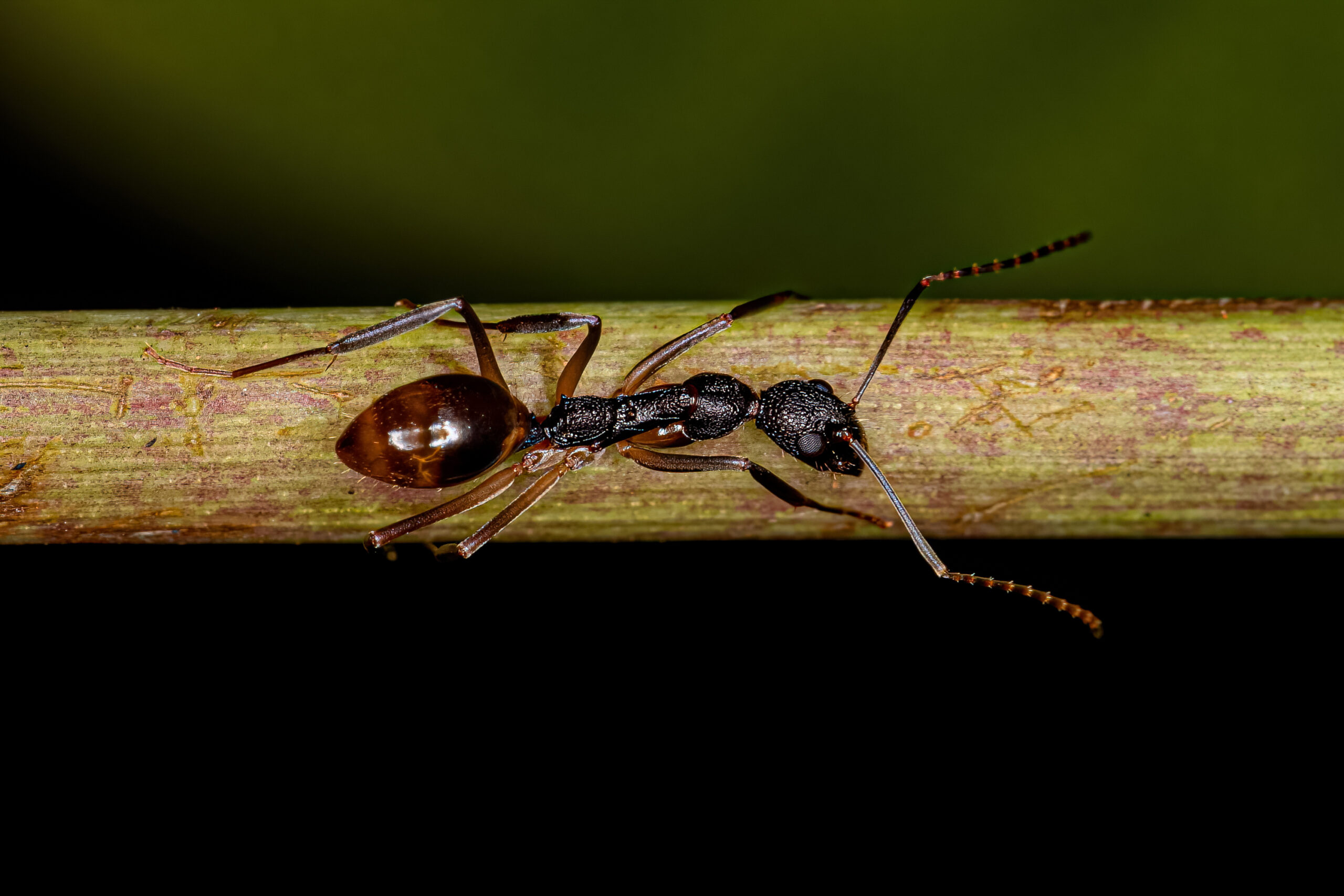
They’re small, typically about 1/8 inch long, and dark brown to black in color. Their name comes from the distinctive odor they release when crushed. Many people describe the smell as similar to rotten coconut, blue cheese, or something sour.
Although they may seem harmless at first, they’re known for building extremely large colonies and invading homes in search of food and moisture.
Are Odorous House Ants Dangerous to Humans?
The good news is that odorous house ants are not considered a significant health threat.
Unlike fire ants, they do not have stingers. While they are technically capable of biting, it’s extremely uncommon, and their bites are so mild that most people never notice them.
For the average homeowner, the biggest issue isn’t physical harm—it’s the inconvenience of having hundreds or even thousands of ants invading the home.
Do They Spread Disease?
There is no strong evidence that odorous house ants transmit diseases directly to humans in the way mosquitoes or ticks can.
However, they are not clean insects.
As they travel through wall voids, trash areas, and damp environments before walking across kitchen counters or food preparation surfaces, they can carry bacteria from one location to another.
While the health risk remains relatively low, no one wants insects crawling through their pantry or across uncovered food.
Are Odorous House Ants Dangerous to Pets?
Fortunately, odorous house ants are generally harmless to dogs and cats.
They don’t seek out pets, inject venom, or attack animals.
The biggest concern is indirect. Curious pets may eat ants or disturb a nest, but this rarely causes more than mild digestive upset.
If you’re using ant bait or pest control products, always follow label directions and consult your pest control technician about any precautions for pets.
Can They Damage Your Home?
Unlike carpenter ants, odorous house ants do not excavate wood or weaken structural components of your home.
They aren’t capable of causing the kind of damage associated with termites or carpenter ants.
Instead, they become a nuisance by:
- Invading kitchens and pantries
- Nesting inside wall voids
- Following plumbing lines
- Creating multiple satellite colonies
- Returning repeatedly after unsuccessful DIY treatments
Their ability to split into multiple colonies is one reason they’re notoriously difficult to eliminate.
Why Are They Called Odorous House Ants?
Their unusual name comes from one distinctive behavior.
When crushed, these ants release chemicals that produce a strong odor often compared to:
- Rotten coconut
- Rancid butter
- Blue cheese
This smell is one of the easiest ways to distinguish them from other common household ants.
Where Do Odorous House Ants Live?
Outdoors, they commonly build nests beneath:
- Rocks
- Mulch
- Firewood
- Landscaping timbers
- Tree stumps
- Soil around foundations
Inside homes, they prefer areas with moisture, including:
- Wall voids
- Around plumbing
- Under sinks
- Crawl spaces
- Behind cabinets
- Bathrooms
- Basements
Unlike some ants that stay in one nest, odorous house ants frequently create multiple connected colonies.
What Attracts Odorous House Ants?
Like most ants, they’re constantly searching for three basic resources:
Food
Sweet foods are their favorite, but they’ll also feed on grease, proteins, crumbs, pet food, and sugary drinks.
Water
Leaky faucets, condensation, damp crawl spaces, and standing water make your home much more attractive.
Shelter
Small cracks in foundations, gaps around windows, utility penetrations, and damaged weatherstripping provide easy access.
Once scouts discover a reliable food source, they leave pheromone trails that quickly attract hundreds of additional workers.
Signs You Have an Infestation
Many homeowners don’t realize how large the colony has become until they start seeing consistent activity indoors.
Common signs include:
- Long trails of ants
- Increased kitchen activity
- Ants near sinks or bathrooms
- Multiple groups of ants appearing in different rooms
- The characteristic odor when ants are crushed
Seeing ants repeatedly over several days usually means the colony is already well established nearby.
Why DIY Treatments Often Don’t Work
One of the biggest frustrations homeowners experience is that spraying ants seems to work, for a day or two.
Then the ants return.
That’s because most over-the-counter sprays kill only the worker ants you can see.
Meanwhile, the queen continues laying eggs.
Even worse, disturbing some odorous house ant colonies can cause them to split into several smaller colonies, making the infestation even harder to eliminate.
How Preventive Pest Control Solves the Problem
Professional pest control focuses on the entire colony, not just the visible ants.
A comprehensive treatment typically includes:
- Identifying the ant species
- Locating nesting sites
- Using professional-grade bait systems
- Treating entry points
- Creating a protective exterior barrier
Instead of temporarily reducing the number of ants, the goal is to eliminate the colony and prevent new infestations.
Our Experience: Small Trails Often Mean a Bigger Problem
One of the most common things we hear from homeowners is:
“There are only a few ants, I don’t think it’s a big deal.”
After inspecting the property, we often discover multiple satellite colonies hidden around the foundation or inside wall voids.
What looked like twenty ants on the counter was actually part of a colony containing thousands.
Catching the problem early almost always makes treatment faster and more effective.
Long-Term Prevention Tips
Keeping odorous house ants away starts with making your home less inviting.
A few simple habits can make a significant difference:
- Store food in airtight containers.
- Clean up spills immediately.
- Repair plumbing leaks.
- Trim vegetation touching your home.
- Seal cracks around doors and windows.
- Empty trash regularly.
- Schedule preventative pest inspections.
Preventative maintenance is almost always easier, and less expensive, than dealing with a full infestation.
Frequently Asked Questions
Are odorous house ants poisonous?
No. They are not poisonous or venomous to humans or pets.
Can odorous house ants bite?
They can bite, but it’s extremely rare and their bites are considered harmless.
Why do they smell bad?
When crushed, they release defensive chemicals that create a rotten coconut-like odor.
Do they damage houses?
No. Unlike carpenter ants, they do not tunnel through wood or weaken structures.
When should I call a pest control company?
If ants continue returning after cleaning or DIY treatments, or if you notice activity in multiple rooms, professional treatment is usually the fastest way to eliminate the colony.
Bottom Line
So, are odorous house ants dangerous?
Not in the traditional sense.
They aren’t aggressive, they don’t sting, and they won’t destroy your home’s structure.
However, their ability to contaminate food, build large colonies, and repeatedly invade homes makes them one of the most persistent nuisance pests in Utah.
If you’re seeing odorous house ants regularly, Preventive Pest Utah can identify where they’re nesting, eliminate the colony, and help prevent future infestations before they become a much bigger problem.